


Muscle. For decades, the standard weight-loss script handed to midlife women and busy professionals has been deceptively simple: eat less, move more, and drop the scale weight.
Yet, in functional wellness, we see the devastating aftermath of this approach every single day. Clients arrive at our clinic exhausted, metabolically rigid, and unable to lose weight despite eating micro-portions. When we look deeper under the hood, we find a startling reality: they haven’t just lost fat; they have burned through their lean muscle mass, crashing their metabolic engine.
True metabolic longevity is not about shrinking your body through deprivation. It is about protecting and nourishing the tissue responsible for your energy production: your skeletal muscle and its internal mitochondria.
Muscle Is Your Metabolic Currency
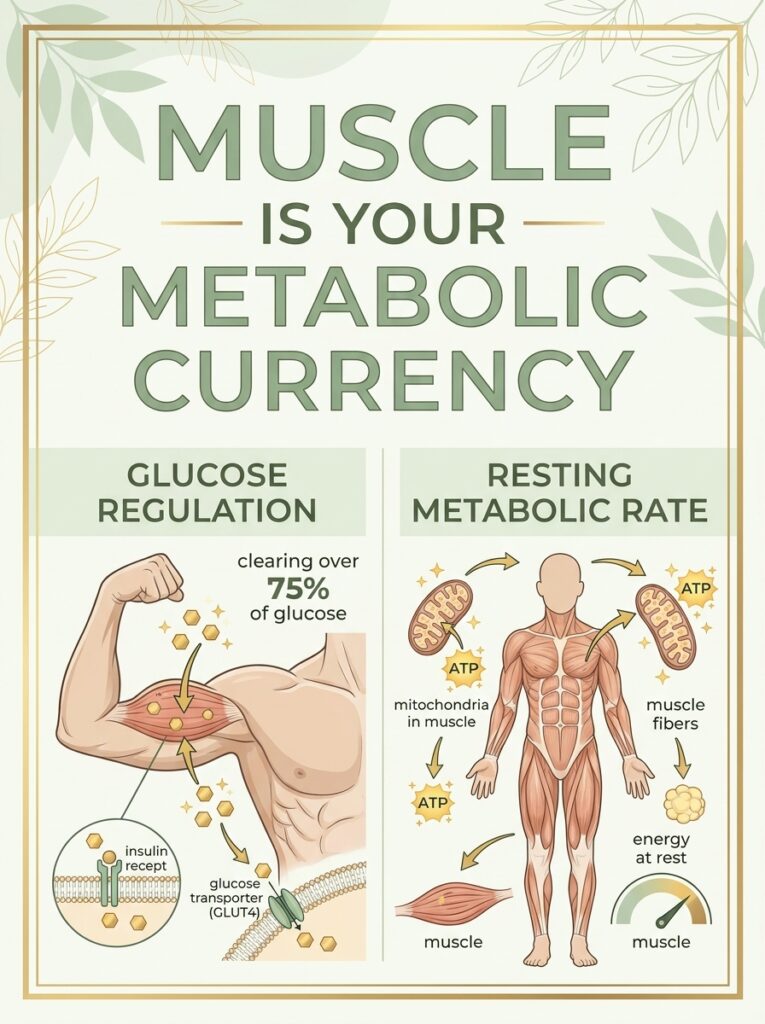
Skeletal muscle is far more than just a tool for lifting weights or moving from place to place. Metabolically speaking, muscle is your body’s primary glucose-disposal sink and metabolic powerhouse.
-
Glucose Regulation: Over 75% of the glucose you consume is cleared and stored by healthy skeletal muscle tissue. When muscle mass declines (a process accelerated by chronic stress, poor protein intake, and age-related shifts), insulin resistance sets in because the body has fewer sites to process incoming fuel.
-
Resting Metabolic Rate (RMR): Muscle tissue is metabolically active; it requires energy simply to exist. Preserving muscle keeps your baseline metabolic furnace burning efficiently, even at rest.
The Mitochondria Connection: Powering Your Cells
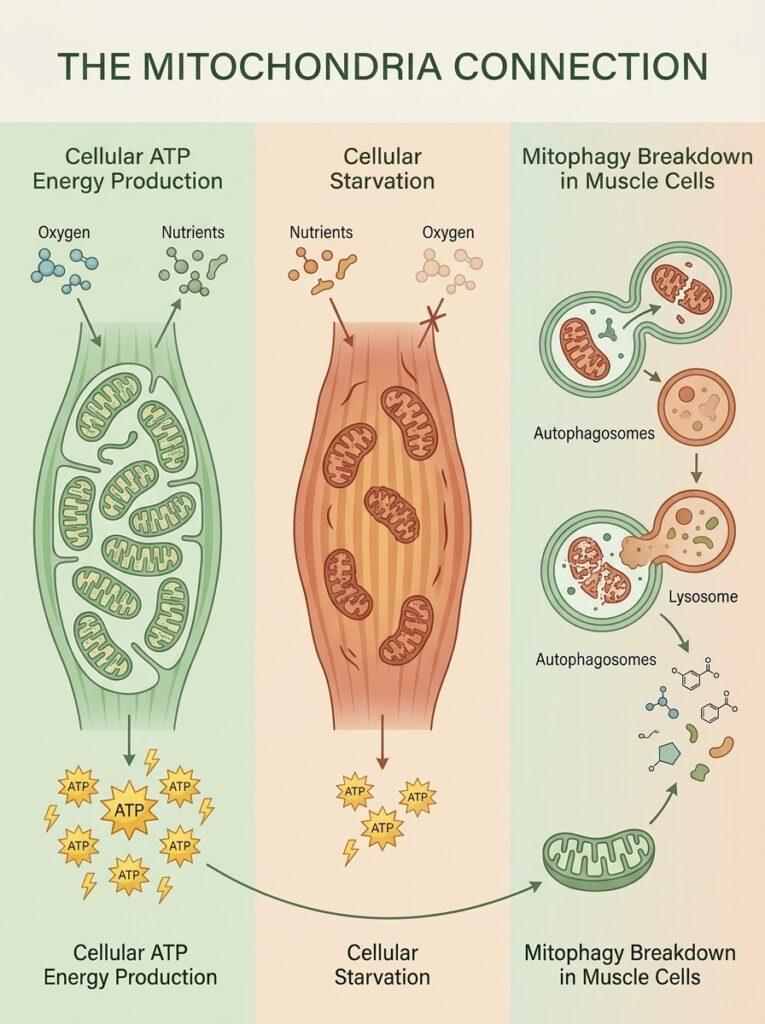
Inside your cells lie thousands of mitochondria—the microscopic organelles responsible for converting nutrients and oxygen into Adenosine Triphosphate (ATP), cellular energy.
When you subject your body to chronic caloric restriction and high stress:
-
Cellular Starvation: Cells aren’t lazy; they are starving for adequate amino acids, micronutrients, and oxygen.
-
Mitophagy Breakdown: Without proper restorative signaling and deep sleep, damaged mitochondria accumulate inside the cell rather than clearing out, resulting in systemic fatigue, brain fog, and metabolic stagnation.
4 Ways to Protect Your Muscle and Ignite Your Metabolism
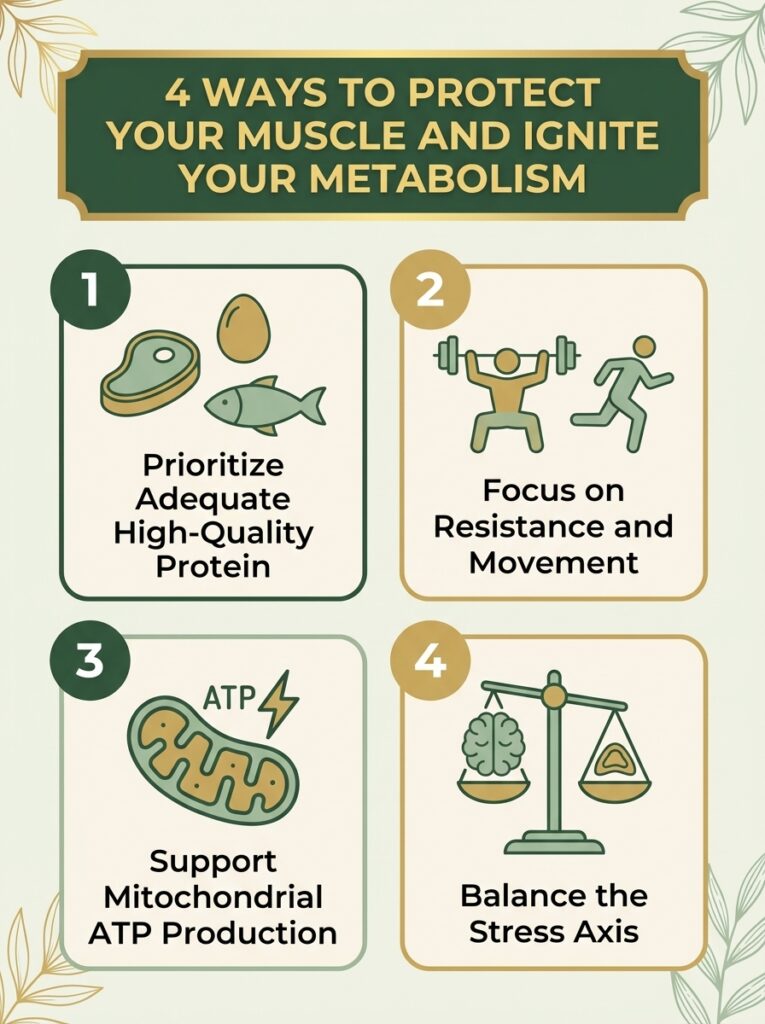
At The Herb Doctor Consulting, our Metabolic Reset Method prioritizes structural preservation over quick-fix weight loss. Here is how we help clients rebuild their metabolic resilience:
1. Prioritize Adequate, High-Quality Protein
Stop under-eating protein. Supplying your body with sufficient amino acids is non-negotiable for repairing tissues, supporting neurotransmitter balance, and preventing muscle breakdown during metabolic shifts.
2. Focus on Resistance and Movement
Incorporate resistance training that challenges your muscles safely. Signaling to your body that muscle is essential prevents it from burning lean tissue during periods of energy adaptation.
3. Support Mitochondrial ATP Production
Nourish your cells with targeted botanical medicine, key micronutrients (like CoQ10, magnesium, and B-vitamins), and antioxidant-rich herbs that protect mitochondrial membranes from oxidative stress.
4. Balance the Stress Axis (HPA Axis)
Chronic elevation of cortisol directly encourages protein catabolism (breakdown). Calming your nervous system and prioritizing restorative sleep are essential steps to stopping muscle wasting at its root.
Stop Chasing Scale Weight, Start Building Resilience
If you are tired of restrictive diets that leave you feeling depleted and stuck, it’s time to change the paradigm. Normal isn’t a finding when your metabolic health is suffering. By shifting your focus toward muscle preservation and cellular nourishment, you can restore your energy, balance your hormones, and achieve lasting vitality.
🌿 Ready to unlock your cellular potential?