


If you’ve been following the news regarding metabolic health, medications like Ozempic® and Wegovy® have likely dominated your feed. These drugs have reached a “deafening” level of fame for their ability to quiet hunger, regulate blood sugar, and accelerate weight loss.
However, as a leader in functional nutrition, I believe in a more sustainable approach. While these medications do a remarkable job of mimicking hormones, they don’t address the underlying biological foundation. The real secret to unlocking lasting appetite control isn’t found in a needle—it’s hidden in your gut microbiome.
By leveraging targeted nutritional interventions like PaleoFiber® RS, Phytobiome, and Theraslim, you can stimulate your body’s own production of GLP-1 naturally and effectively.
What is GLP-1 and Why Does It Matter?

GLP-1 (Glucagon-like peptide-1) is a hormone produced in the gut that acts as a master regulator of hunger. When we eat, GLP-1 is released to communicate a sense of fullness to the brain. Beyond satiety, it performs three critical functions:
-
Reduces systemic inflammation within the digestive tract.
-
Slows gastric emptying, keeping you full for longer.
-
Stimulates insulin release, which stabilizes blood sugar levels.
What is a GLP-1 Agonist?
It might be obvious, but it’s worth remembering—drugs like Ozempic® and Wegovy® don’t actually produce real GLP-1. They produce a synthetic version that mimics the hormone’s appetite-suppressing qualities.
To be fair, the synthetic version produced by semaglutide drugs actually lasts longer than natural GLP-1. It can persist for days, whereas natural GLP-1 doesn’t linger for long. This is a big reason why GLP-1 agonists are so effective when it comes to appetite control and weight loss.
Yet it still invites the question—if GLP-1 is a naturally-occurring hormone, then it makes sense you should be able to increase it naturally, right? Right!
The Natural Boost: How Diet Influences GLP-1
The Synthetic vs. Natural Approach
Semaglutide drugs are “GLP-1 agonists.” They provide a synthetic version of the hormone that persists in the body for days. While effective, they are a temporary fix for a metabolic system that is often just “starved” of the right inputs.
If GLP-1 is a naturally occurring hormone, the logical (and more holistic) goal should be to optimize your body’s endogenous production.
Fiber: The Unsung Hero of Gut Health

Is All Fiber Created Equally in GLP-1 Production?
Short answer: no. Some types of dietary fiber are far more effective at producing natural GLP-1 than others. There are dozens of fibers out there, found in an even wider variety of plants, and each one has its own unique health benefits.
For example, pectin from berries helps lower cholesterol, psyllium from plantago ovata plants fights constipation, and lignin from flax and rye is good for heart health.
The Best Types of Fiber for Producing GLP-1
The best categories of fiber for appetite control and natural GLP-1 production are those that are considered fermentable, or prebiotic. These are fibers that your body can’t digest easily, so they end up reaching your colon mostly intact, where they are fermented by good microbes.
Two of the best types of prebiotic fiber for producing GLP-1 are: beta-glucan and resistant starch.
Beta-glucan comes from foods like oats, barley, and beans. New studies demonstrate beta-glucan achieves remarkable results in not only satiety but also weight management. In one preliminary study with mice, researchers found beta-glucan induced the most weight loss in obese animals.
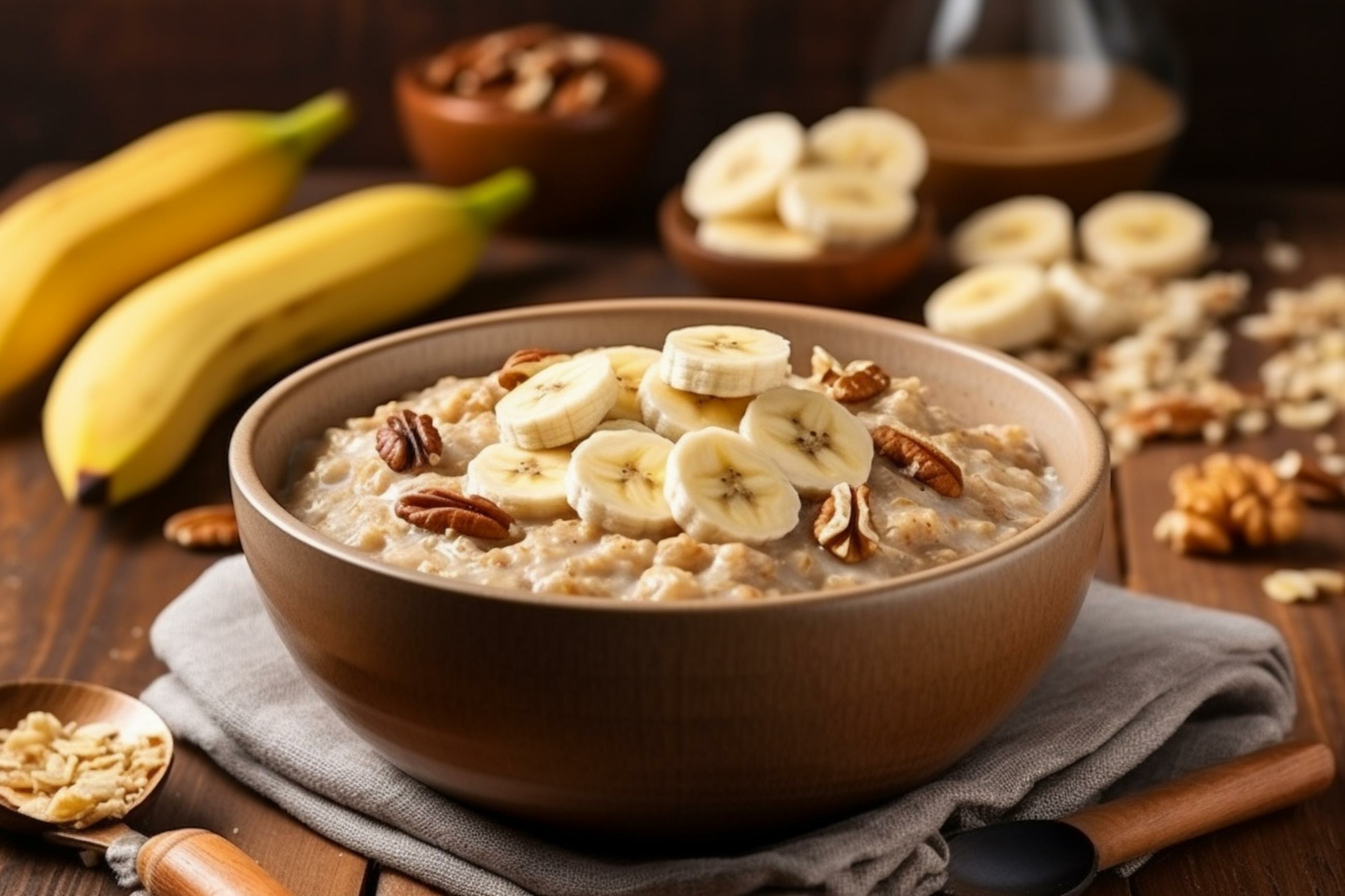
Resistant starch comes from foods like unripe bananas, potatoes, and oatmeal. This unique fiber produces more butyrate than any other type of dietary fiber, and butyrate is a short-chain fatty acid known to increase GLP-1 production.
The Power Trio: Scientific Tools for Natural GLP-1
To truly lead your metabolic health, you need more than just “more fiber.” You need a clinical strategy. Here is how we use targeted supplementation to trigger the GLP-1 pathway:
1. PaleoFiber® RS: The Foundation of Satiety
Not all fiber is created equal. To trigger GLP-1, you need fermentable, prebiotic fibers.
-
Resistant Starch (RS): Found in PaleoFiber® RS, this unique starch produces more butyrate than any other fiber. Butyrate is a short-chain fatty acid (SCFA) that directly signals your gut cells to release GLP-1.
-
Beta-Glucan: This fiber has shown remarkable results in clinical studies for weight management and lipid metabolism. By combining these, PaleoFiber® RS provides the precise fuel your gut microbes need to manufacture your own “internal Ozempic.”
2. Phytobiome: Diversity is the Key
Your gut microbes are the “factory” that produces GLP-1. If the factory is understaffed, production stalls. Phytobiome is a specialized blend of fruit and vegetable extracts high in polyphenols. These compounds act as “selective fertilizers,” encouraging the growth of beneficial bacteria like Akkermansia muciniphila, which is heavily linked to metabolic health and natural GLP-1 secretion.
3. Theraslim: The Metabolic Accelerator
While fiber sets the stage, Theraslim provides the metabolic support necessary to manage weight effectively. It is designed to support healthy insulin sensitivity and lipid metabolism, ensuring that once your GLP-1 levels rise, your body is biologically primed to burn fat and maintain energy levels without the “crash” often associated with caloric restriction.
Other Foods That Boost GLP-1 Naturally
To naturally augment your GLP-1 levels and foster gut health, a varied dietary approach is key. Here are some effective strategies:
Incorporate Prebiotic Fiber
For reasons listed above. But it bears repeating—prebiotic fiber is the number one fuel source for beneficial gut microbes.
Opt for Healthy Fats
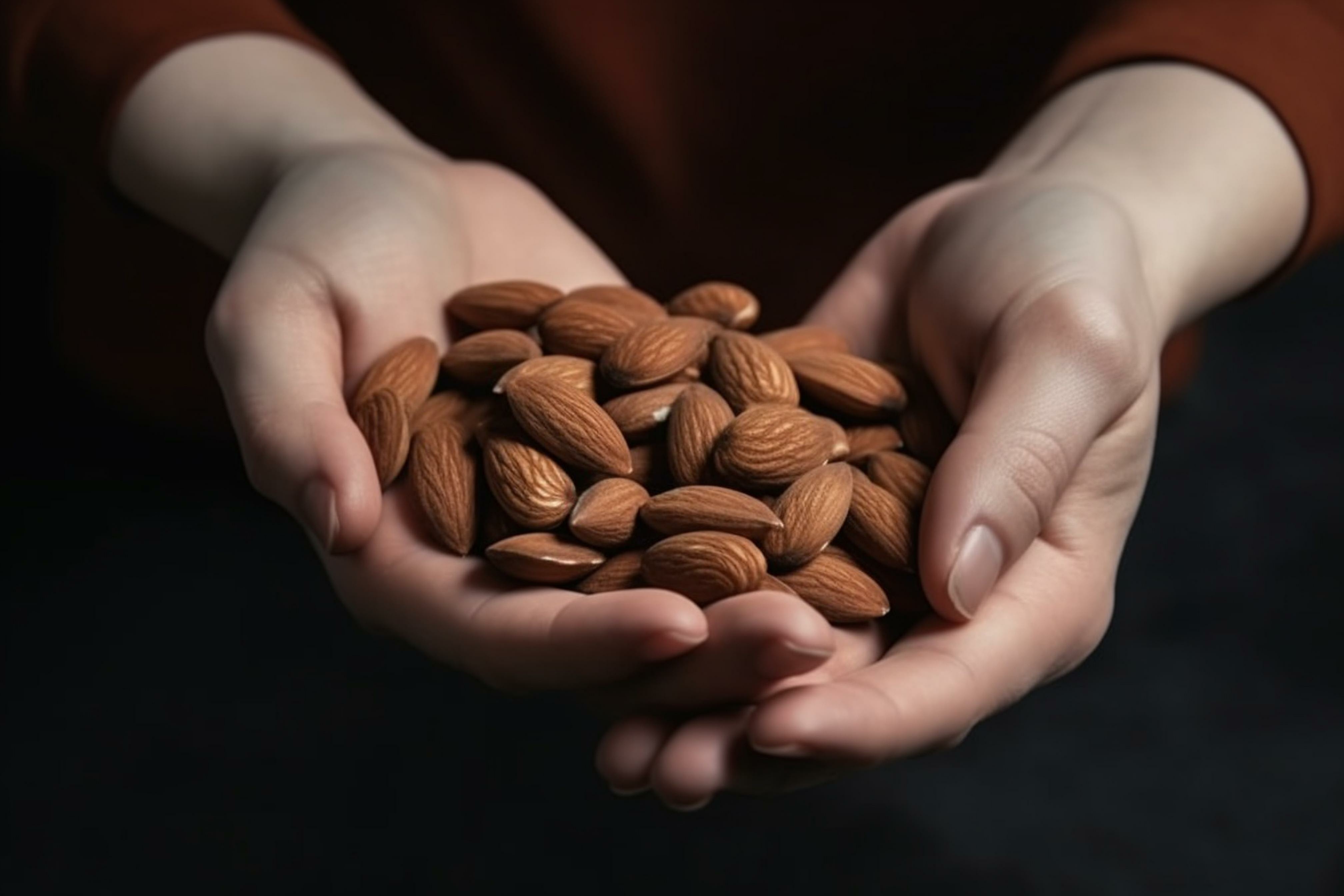
Most Americans get too many Omega-6 fatty acids and not enough Omega-3s. Yet Omega-3s—found in fish, avocados, olives, and nuts—are hugely important for optimal gut health and thereby appetite hormones.
Prioritize Protein
Opting for lean meats, fish, tofu, and legumes ensures the intake of essential amino acids and can also stimulate GLP-1 secretion.
Lifestyle Influences on GLP-1

Your daily habits can significantly impact GLP-1 production:
Exercise
Studies suggest that regular physical activity can boost GLP-1 levels significantly. A blend of strength training and cardiovascular exercise is most beneficial.
Stress Reduction
Stress can negatively affect GLP-1 production. Techniques such as yoga and meditation can help manage stress and maintain healthy GLP-1 levels.
Sleep
Adequate sleep is crucial for hormone regulation, including GLP-1 production. Aim for 7-8 hours of quality sleep nightly.
What About Berberine?
Why “Nature’s Ozempic” Isn’t Berberine
Social media is currently obsessed with berberine. However, as an authority in this space, I must provide a correction: Berberine is an antimicrobial. While it has some blood sugar benefits, it can actually irritate the GI tract and potentially disrupt the very microbes responsible for GLP-1 production.
The true natural alternative is a sophisticated combination of resistant starches and polyphenols that work with your biology, not against it.
Final Word

The Authority Blueprint for Weight Loss
To maximize your results with PaleoFiber® RS, Phytobiome, and Theraslim, integrate these lifestyle pillars:
-
Prioritize Protein: Lean proteins and legumes provide essential amino acids that work synergistically with GLP-1.
-
Strategic Movement: A mix of resistance training and zone 2 cardio has been shown to boost GLP-1 levels naturally.
-
Circadian Rhythm: Sleep is the “reset button” for your hormones. Aim for 7–8 hours to ensure your hunger hormones remain balanced.
Final Word
Pharmaceuticals have their place, but they shouldn’t be the only tool in your kit. By nourishing your microbiome with the resistant starch in PaleoFiber® RS, the polyphenols in Phytobiome, and the metabolic support of Theraslim, you are taking the lead in your own health journey.
Ready to unlock your natural GLP-1 potential? Explore our metabolic reset page today.